

Ways to Make Hardwood Flooring Work With Different Interior Design Styles
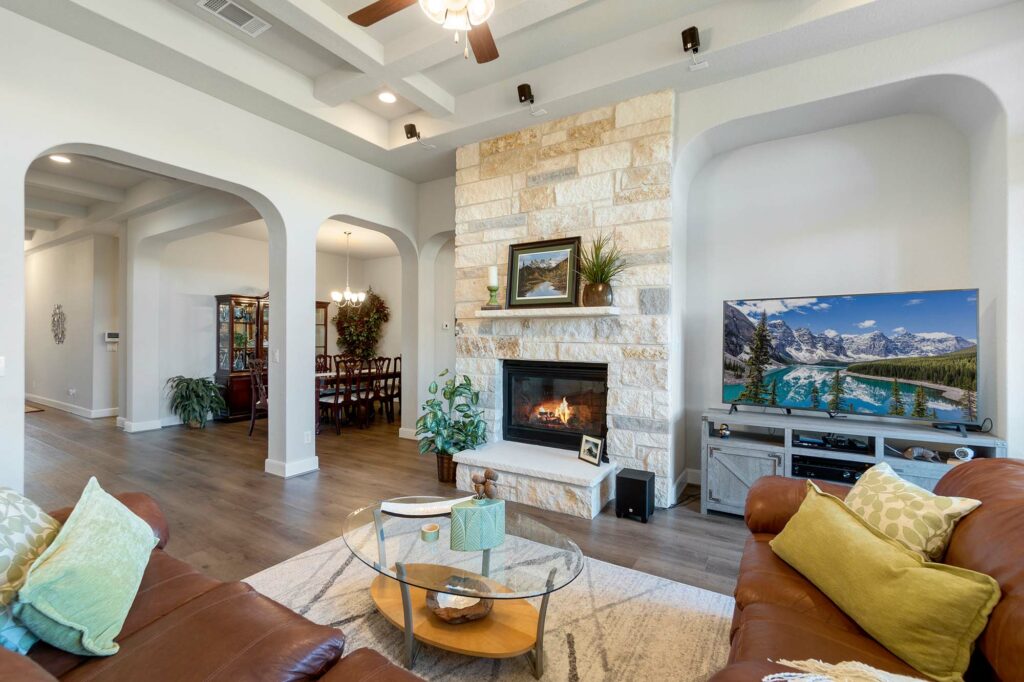
Hardwood flooring has a way of fitting naturally into many different interiors. Whether your home has a traditional character or a more contemporary feel, the right hardwood can provide a foundation that works with your furniture, colors, and décor.
If you are updating your flooring in Birmingham, Trussville, McCalla, or Valleydale, you do not have to completely redesign your interior around your new floor. Instead, you can choose hardwood that supports the style you already enjoy.
Traditional Interiors
If you prefer a traditional interior, hardwood flooring can reinforce the warmth and character of the space.
Natural wood tones can work particularly well with classic furniture, detailed trim, warm wall colors, and traditional cabinetry. A floor with visible grain can also add depth without making the room feel overly decorated.
You can explore hardwood flooring from Brian’s Flooring & Design when considering options for a traditional or classic room.
Modern Spaces
Modern interiors often focus on clean lines, simple forms, and uncluttered spaces. Hardwood can provide warmth and natural texture without taking away from that streamlined appearance.
Consider how the flooring tone interacts with your furniture and wall colors. A relatively simple wood appearance can help maintain a clean visual foundation while allowing modern furnishings and lighting to stand out.
You can also explore Brian’s Flooring & Design for flooring ideas that can complement different design directions.
Rustic and Natural Looks
If you like a relaxed, natural interior, hardwood flooring can become one of the main features of the room.
Wood with noticeable grain variation can contribute to a more casual appearance. Pairing it with natural fabrics, comfortable furniture, earthy colors, and organic decorative elements can create a welcoming atmosphere.
You do not need every feature to look rustic. A balance between natural flooring and more contemporary furnishings can make the room feel updated while retaining warmth.
Transitional Design
Transitional interiors combine traditional and contemporary elements. This approach gives you plenty of flexibility when selecting hardwood.
A natural wood floor can bridge the gap between classic cabinetry and modern lighting, or between traditional furniture and contemporary décor. This makes hardwood particularly useful if your personal style does not fit neatly into one category.
The key is choosing a flooring tone that connects the different elements rather than competing with them.
Let Your Flooring Support the Room
Your flooring does not have to be the most dramatic feature in your interior. Sometimes its role is to provide a consistent foundation that allows other design elements to stand out.
Consider your existing cabinets, countertops, furniture, wall colors, and natural lighting before choosing a hardwood style. Samples can also help you see how different tones look alongside your actual finishes.
Think About the Whole Home
If you are installing hardwood in several rooms, consider how the flooring will interact with the spaces around it. A consistent flooring choice can help create a natural flow, particularly between connected living areas.
You can also use rugs and furniture to define individual spaces without interrupting the overall flooring design.
Find Hardwood That Fits Your Style
One of the advantages of hardwood flooring is its versatility. With the right selection, you can support a traditional, modern, rustic, or transitional interior while giving your home a natural and lasting foundation.
If you are ready to explore hardwood flooring for your Birmingham area home, contact Brian’s Flooring & Design to discuss your flooring project.