

What to Know About Laminate Flooring Before Installing It Over Existing Floors
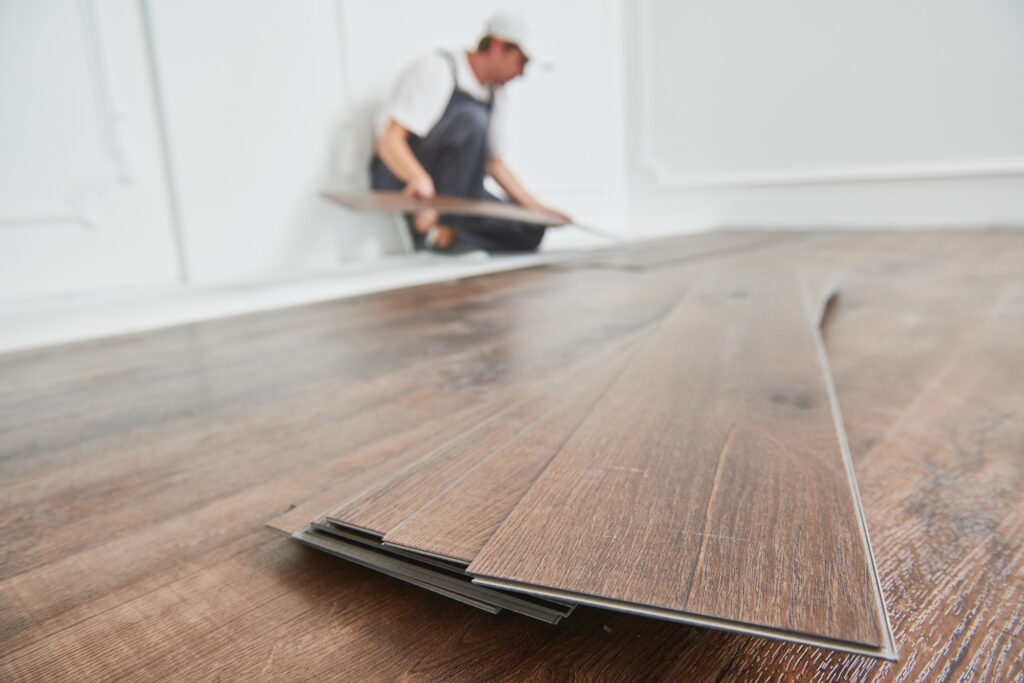
Replacing your flooring does not always mean removing every layer of material already in place. Depending on the condition of your current floor and the installation requirements of your chosen product, laminate flooring may be installed over certain existing surfaces. However, the decision requires careful assessment to help prevent problems later.
If you are updating your home in Birmingham, Trussville, McCalla, or Valleydale, understanding the preparation involved can help you plan your flooring project more effectively. Start by exploring laminate flooring from Brian’s Flooring & Design and reviewing the requirements for the style you are considering.
Check the Condition of Your Existing Floor
Before installing laminate over an existing floor, determine whether the current surface is suitable. It should generally be stable, clean, dry, and sufficiently level for the new flooring system.
Loose boards, damaged sections, soft areas, and noticeable unevenness may need attention before installation. Covering these problems with new flooring will not necessarily resolve them. In some cases, the existing material may need to be repaired or removed entirely.
Make Sure the Existing Material Is Suitable
Not every flooring type provides an appropriate base for laminate. Some existing hard surfaces may be suitable when they meet the manufacturer’s requirements, while thick carpeting, heavily cushioned flooring, or loose materials may need to be removed.
You should also consider how many flooring layers are already present. Adding another layer can create complications around doorways, transitions, and other adjoining surfaces. A professional assessment can help determine whether keeping the existing floor is a sensible option.
Pay Attention to Moisture
Moisture is an important consideration when planning laminate installation. Excess moisture beneath the new flooring can contribute to swelling, damage, or other performance issues, depending on the product and conditions.
Before installation, check for signs of leaks, dampness, or moisture damage. Concrete subfloors may require moisture testing and an appropriate moisture barrier, depending on the flooring manufacturer’s instructions. You should also confirm whether the selected laminate is approved for the room where you intend to install it.
Consider the Added Floor Height
Installing new flooring over an existing surface increases the finished floor height. Even a relatively small increase can affect door clearance, transitions between rooms, and the fit of certain fixtures.
Check whether doors will open freely after installation and whether adjoining floors will meet neatly. Planning these details beforehand can help you avoid awkward transitions or additional adjustments once the project is underway.
Follow the Manufacturer’s Installation Requirements
Laminate products can have different installation requirements. Some use floating installation systems, while others have specific restrictions regarding the types of existing floors they can cover.
Review the product instructions carefully and confirm whether an underlayment or moisture barrier is required. Do not assume that the same preparation method will work for every laminate product.
If you are comparing flooring options for a wider renovation, you can also visit Brian’s Flooring & Design to explore available flooring styles for your home.
Make the Right Decision Before Installation
Installing laminate over an existing floor may reduce some removal work, but it is only appropriate when the current surface and chosen product meet the necessary requirements. Checking the condition of the floor, moisture levels, and finished height can help you make a more informed decision.
If you are considering laminate flooring for your Birmingham area home, contact Brian’s Flooring & Design to discuss your project and explore suitable flooring options.