

How Indoor Humidity Can Affect Your Hardwood Flooring
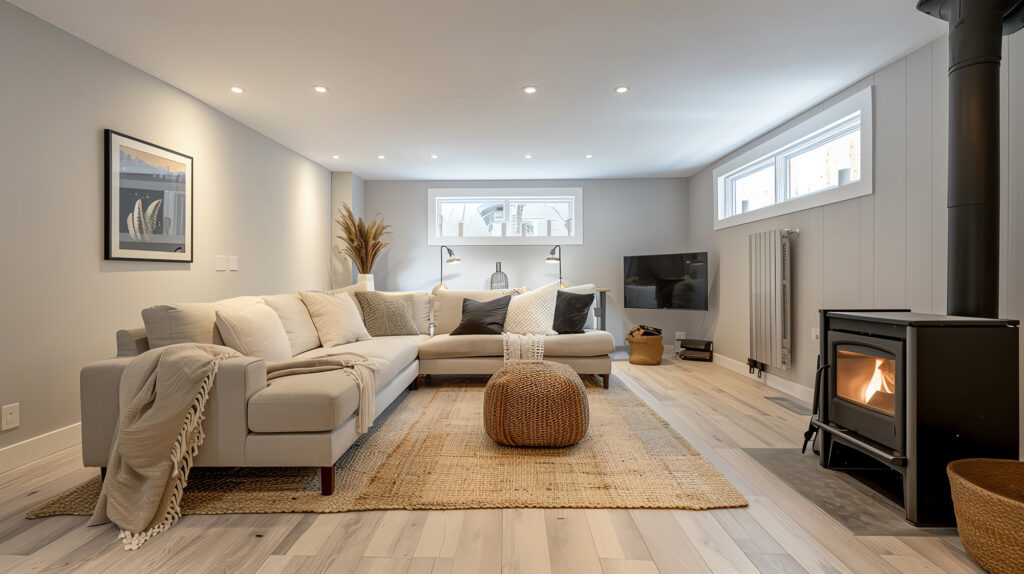
Hardwood flooring brings natural warmth and character to your home, but wood responds to changes in its surrounding environment. Indoor humidity can influence how your floors expand, contract, and look over time. Understanding these changes can help you protect your investment and maintain a comfortable living space.
If you are considering hardwood flooring for your home in Birmingham, Trussville, McCalla, or Valleydale, it is worth understanding how seasonal conditions can affect wood. You can explore hardwood flooring from Brian’s Flooring & Design while learning what your chosen product needs to perform well.
Why Humidity Matters to Hardwood
Wood naturally absorbs and releases moisture in response to the surrounding environment. When indoor humidity rises, hardwood can absorb moisture and expand. When the air becomes drier, the wood can release moisture and contract.
These changes are a normal characteristic of wood flooring. However, significant or prolonged fluctuations can contribute to visible gaps, cupping, or other problems, depending on the conditions, installation, and flooring construction.
What Happens During Humid Weather?
Warm, humid weather can increase the amount of moisture in your home’s indoor air, particularly when air conditioning and ventilation are not adequately controlling the environment.
When hardwood absorbs excess moisture, individual boards may expand. In some situations, this can cause the flooring to push against adjacent boards or develop a raised appearance. Cupping, where board edges become higher than the centers, can also occur when moisture conditions are unfavorable.
However, humidity is not the only possible cause of these problems. Plumbing leaks, wet cleaning methods, and moisture beneath the floor can also contribute. If you notice a sudden change in your flooring, investigate the source rather than assuming the weather is responsible.
How Dry Indoor Air Affects Your Floors
Indoor air can become drier when heating systems run frequently or when outdoor conditions have low humidity. Hardwood may lose moisture and contract as a result.
This movement can create small gaps between boards, especially during seasonal changes. Some movement is expected with solid hardwood, but unusually large or persistent gaps may indicate an environmental or installation issue that deserves professional attention.
Maintain a More Consistent Indoor Environment
One of the most useful steps you can take is to keep indoor temperature and humidity within the range recommended by your flooring manufacturer. A hygrometer can help you monitor humidity levels instead of relying on how the air feels.
Depending on your home’s conditions, air conditioning, a dehumidifier, or a humidifier may help maintain a more stable environment. Avoid making dramatic adjustments without understanding the underlying conditions, especially if your flooring already shows signs of damage.
Be Careful With Water and Cleaning
Even if indoor humidity is controlled, direct moisture can still affect hardwood flooring. Clean up spills promptly and avoid soaking the floor when cleaning. Use products approved for your specific flooring finish and follow the manufacturer’s care instructions.
Keep an eye on areas near exterior doors, sinks, dishwashers, and other places where water may reach the floor. Addressing leaks quickly can help reduce the risk of moisture damage.
If you are planning a flooring update, you can also explore Brian’s Flooring & Design to compare flooring options for your home and renovation plans.
Choose Hardwood With Your Home in Mind
Your home’s humidity patterns, room conditions, and installation requirements should all factor into your hardwood flooring decision. Different products can respond differently to environmental changes, so professional advice can help you understand which option may suit your space.
If you are ready to explore hardwood flooring for your Birmingham area home, contact Brian’s Flooring & Design to discuss your project and flooring needs.